Get Trip Hazard Repair in Boston, MA
Trip hazard repair services for Boston property owners involve fixing uneven walkways, cracked stairs, and damaged pavement to prevent falls and improve safety.
Trip hazards can pose significant safety concerns for property owners in Boston, MA, especially in areas with aging walkways, uneven pavement, or outdoor steps. Addressing these issues promptly can help prevent accidents and reduce liability risks. Whether planning a property improvement project or seeking to maintain a safe environment, exploring options for reliable trip hazard repair is an important step for Boston residents and property managers alike. This page connects you with local contractors experienced in assessing and fixing uneven surfaces, making it easier to compare services and find solutions tailored to your property's needs.
By considering local service providers for trip hazard repair, property owners can ensure that the work is handled by professionals familiar with Boston’s unique building conditions and common sidewalk challenges. From residential walkways to commercial pathways, many local contractors offer expertise in restoring safety and improving accessibility. Keep reading to learn more about the services available and how to find the right partner for your property’s maintenance and repair needs.
- Sidewalk Repair - needed when cracks or uneven surfaces pose a tripping hazard in walkways around Boston neighborhoods.
- Parking Lot Resurfacing - required for commercial or residential lots with deteriorated or uneven pavement that could cause falls.
- Indoor Floor Leveling - necessary when flooring shifts or settles, creating trip risks inside homes or businesses in nearby areas.
- Playground Surface Repair - essential for maintaining safe, even playgrounds in parks and community spaces.
- Walkway Replacement - appropriate when existing paths are severely damaged or unstable, especially in busy pedestrian zones.
Trip hazard repair services focus on fixing uneven or damaged walkways, stairs, and flooring surfaces to reduce the risk of trips and falls. Over time, foot traffic, weather exposure, and ground shifting can cause cracks, loose tiles, or raised edges in concrete, wood, or stone surfaces. Skilled service providers assess the condition of these surfaces and perform repairs such as leveling uneven areas, replacing broken or missing sections, and securing loose materials. These repairs help create safer walking paths around homes and properties, especially in high-traffic areas like front porches, patios, and driveways.
Many problems that lead to trip hazards develop gradually, but they can quickly become serious safety concerns. Common issues include cracked or broken concrete slabs, uneven paver stones, loose tiles, and warped wooden steps. These issues not only pose a risk of injury but can also cause further property damage if left unaddressed. Trip hazard repair services are designed to restore the surface’s integrity, making walkways smooth and stable once again. This can be particularly important for households with children, elderly residents, or anyone with mobility challenges who may be more vulnerable to falls.
Properties that frequently benefit from trip hazard repairs include residential homes, apartment complexes, and small commercial buildings. Homes with aging concrete driveways, uneven sidewalks, or deteriorating outdoor stairs are common candidates. Additionally, properties with landscaped pathways or patios that have settled or shifted over time often require repair work to maintain safety and accessibility. Service providers can tailor solutions to the specific needs of each property, ensuring that walkways are level, secure, and free from hazards that could cause trips or falls.
Overall, trip hazard repair services are a practical solution for maintaining property safety and preventing accidents. They are suitable for homeowners and property managers who notice uneven surfaces, cracked concrete, or loose paving stones around their property. By working with local contractors experienced in these repairs, property owners can address safety concerns before they lead to more serious issues or injuries. Regular inspections and timely repairs can help keep outdoor walkways safe, functional, and visually appealing for everyone using the property.
The overview below groups typical Trip Hazard Repair projects into broad ranges so you can see how smaller, mid-sized, and larger jobs often compare in Boston, MA.
In many markets, a large share of routine jobs stays in the lower and middle ranges, while only a smaller percentage of projects moves into the highest bands when the work is more complex or site conditions are harder than average.
Smaller Repairs - Many routine trip hazard repairs in Boston and nearby areas typically cost between $250 and $600. These projects often involve fixing or leveling small sections of walkways or sidewalks. Most jobs fall within this middle range, with fewer projects reaching the higher end.
Moderate Repairs - Larger, more involved repairs such as extensive sidewalk leveling or patching can range from $600 to $1,500. These projects may take more time and materials, and are common for moderate trip hazard fixes around residential or commercial properties.
Major Repairs - Significant repairs, including substantial sidewalk replacements or extensive concrete work, generally cost between $1,500 and $3,500. Many local contractors handle these projects regularly, though they are less frequent than smaller jobs.
Full Replacement - Complete sidewalk or walkway replacements can exceed $3,500 and may reach $5,000+ for larger, complex projects. These are typically reserved for severe damage or extensive safety concerns and are less common than smaller-scale repairs.
Actual totals will depend on details like access to the work area, the scope of the project, and the materials selected, so use these as general starting points rather than exact figures.
Sidewalk and Pavement Repair - local contractors use similar skills to assess and fix uneven surfaces to prevent trip hazards on walkways and driveways.
Commercial Flooring Installation - professionals install and level flooring surfaces, ensuring smooth, safe walking areas that reduce trip risks in commercial spaces.
Outdoor Stair and Railing Repairs - repair work involves planning and fixing uneven steps and handrails to improve safety and accessibility.
Parking Lot Maintenance - services include patching and leveling asphalt surfaces, which requires similar planning and tools as trip hazard repairs.
Concrete Leveling and Slab Raising - this work involves lifting and leveling uneven concrete to eliminate trip points in outdoor and indoor areas.
Walkway and Pathway Construction - constructing new pathways involves planning and precise leveling to ensure safe, even surfaces for pedestrians.
When comparing service providers for trip hazard repair, it’s important to evaluate their experience with similar projects in the Boston area. Homeowners should inquire about how many repairs they have completed that involve uneven or cracked walkways, especially in environments with similar weather conditions or property types. A contractor with a proven track record in handling projects like yours is more likely to understand the specific challenges involved and deliver results that meet expectations.
Clear, written expectations are essential to ensure both parties are aligned on the scope of work. Homeowners should seek service providers who can provide detailed descriptions of their process, materials, and what the repair will entail. This helps prevent misunderstandings and provides a reference point throughout the project. Reputable local contractors are often transparent about their approach, which can give homeowners confidence that the project will be handled professionally and as agreed.
Good communication and reputable references are key indicators of a reliable service provider. Homeowners are encouraged to ask for references from past clients who had similar work done and to verify their experiences. Additionally, a contractor’s responsiveness and willingness to answer questions clearly can be a good sign of their professionalism. Since the site introduces homeowners to local options rather than performing the work itself, taking the time to research and compare these aspects can help ensure that the chosen service provider is capable of delivering quality results for trip hazard repair projects.
Property owners in Boston, MA use Trip Hazard Repair services for practical projects around their homes and businesses. This guide focuses on everyday jobs and straightforward project options.
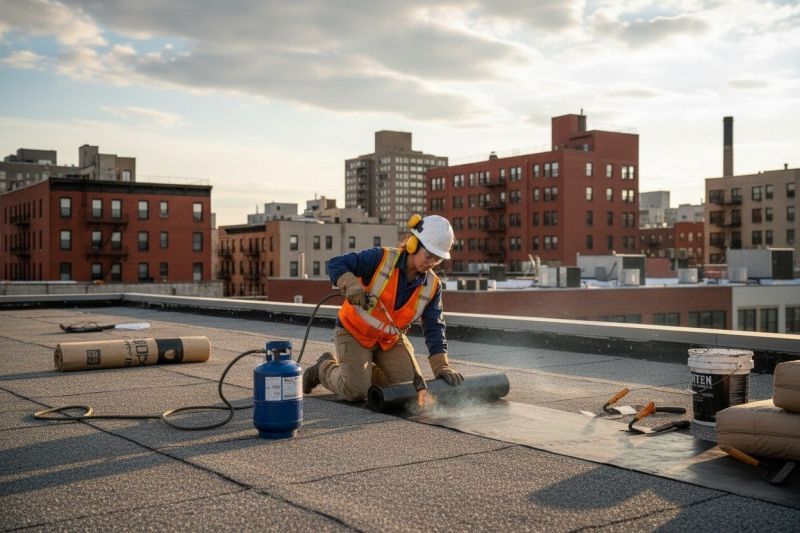
Property owners in Boston, MA often seek trip hazard repair services when uneven or cracked walkways, steps, or pathways pose a safety concern for residents, visitors, or customers. Common situations include sidewalks that have settled or shifted over time due to weather changes or ground movement, creating a risk of trips and falls. Additionally, older properties with aging concrete or uneven paving may require repairs to maintain safety and accessibility, especially in busy areas like neighborhoods, commercial districts, or near public walkways.
Local contractors can assist with addressing these everyday project needs by fixing loose or broken concrete, leveling uneven surfaces, and removing hazards that could lead to accidents. Property owners might look for these services after noticing cracks, raised sections, or loose paving stones that could cause injury or liability issues. Connecting with experienced service providers ensures that safety concerns are handled efficiently, helping to keep walkways safe for residents, guests, and passersby in Boston communities.
What causes trip hazards on walkways? Trip hazards can result from uneven surfaces, loose paving stones, or damaged flooring that create uneven footing for pedestrians.
How can trip hazards be repaired? Local contractors typically fix trip hazards by leveling uneven surfaces, replacing damaged materials, or securing loose paving to ensure safe walking areas.
Are trip hazard repairs suitable for different types of surfaces? Yes, service providers can address trip hazards on various surfaces such as concrete, asphalt, brick, or wood walkways.
What signs indicate a need for trip hazard repair? Visible unevenness, cracked or broken pavement, and loose or raised sections are common indicators that repair may be necessary.
Why should trip hazards be repaired promptly? Addressing trip hazards reduces the risk of falls and injuries, helping to maintain safe and accessible walkways in the community.
Prevent Trip Hazards in High-Traffic Areas - Property owners can have local contractors repair uneven or cracked walkways to reduce the risk of trips and falls.
Maintain Safe Parking Lots and Driveways - Regularly repairing potholes and loose pavement can keep parking areas safe for residents and visitors alike.
Ensure Compliance for Commercial Properties - Business owners can work with service providers to keep outdoor walkways and entryways safe for employees and customers.
Prepare for Events or Seasonal Changes - Property managers can schedule repairs before outdoor gatherings or winter to minimize hazards and ensure safety.
If you are thinking about Trip Hazard Repair for a property in Boston, MA, this guide is meant to help you understand the work, the typical project types, and how different options might fit your plans.
When you are ready, you can use the quote form on this page to share a few details about your project. From there, local pros can review the basics and respond with options that match what you have in mind.